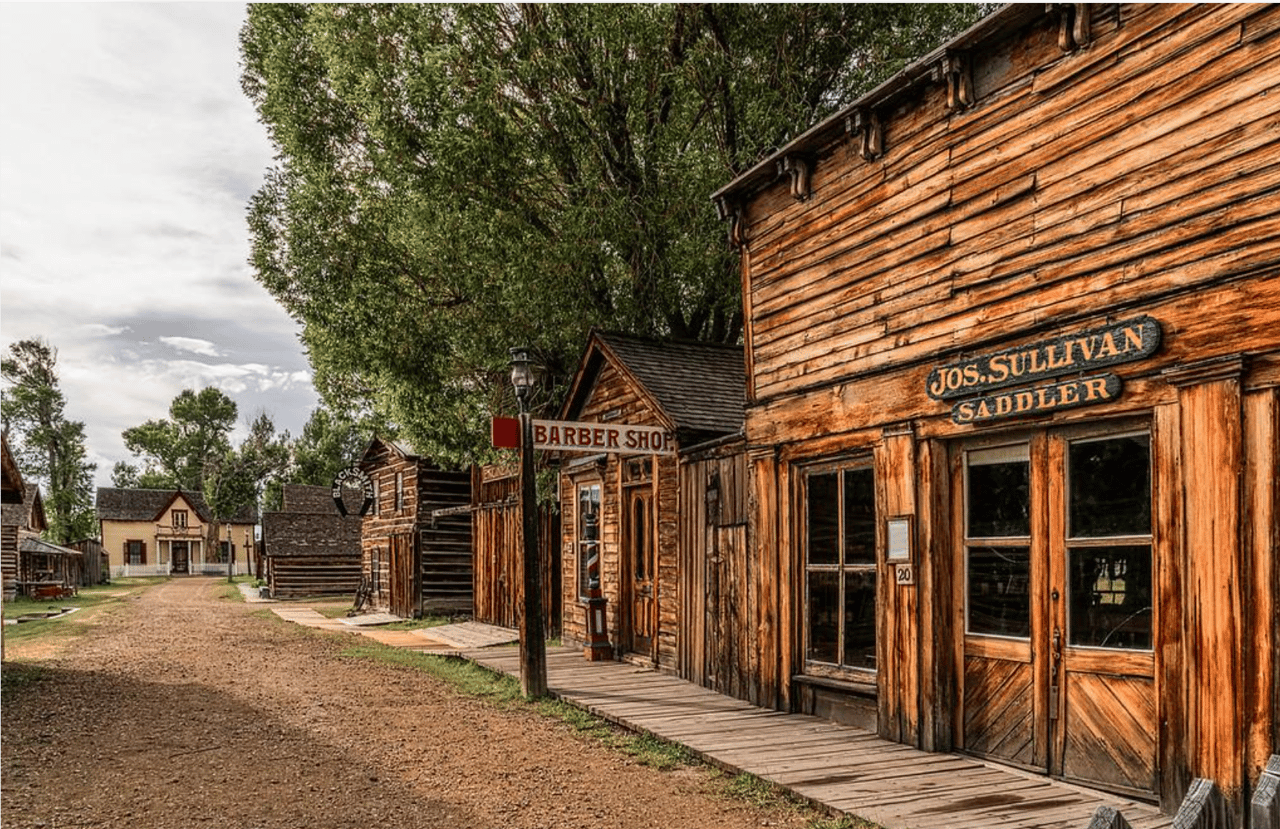
When searching for property in Montana, acreage, mountain views, and privacy are often at the top of a buyer's wish list. But there's another feature that can make a property especially appealing: adjoining public land. Whether you're searching for a full-time residence, recreational retreat, or investment in southwest Montana, the land surrounding a property can be just as important as the property itself.
Throughout the Madison Valley, including Ennis, McAllister, Cameron, and Virginia City, properties bordering public land offer a unique connection to Montana's wide-open landscapes. From scenic mountain backdrops and opportunities for outdoor recreation to additional open space, these properties can offer features that are increasingly appealing to buyers seeking the Montana lifestyle.
What Does It Mean When a Montana Property Borders Public Land?
A property bordering public land shares a boundary with land owned or managed by a government agency, such as the U.S. Forest Service, Bureau of Land Management (BLM), Montana Department of Natural Resources and Conservation (DNRC), or U.S. Fish & Wildlife Service. In southwest Montana, these lands can range from national forests and wildlife management areas to state trust lands and other publicly managed open spaces.
While having public land as a neighbor can offer several benefits, it's important to understand that not all public lands are managed the same way. Some are open to a variety of recreational activities, while others have restrictions designed to protect wildlife, natural resources, or sensitive habitats. Understanding the type of public land adjoining a property is an important first step when evaluating its potential benefits.
1. Outdoor Recreation and Access to Montana's Wide-Open Spaces
One of the biggest attractions of purchasing property near public land is the opportunity to enjoy outdoor recreation close to home. Depending on the location and applicable access rules, nearby public lands may offer opportunities for hiking, horseback riding, hunting, wildlife watching, and exploring the surrounding landscape. For many buyers, having these experiences close to home is a major part of why they choose to purchase property in Montana.
This can be especially appealing when considering smaller acreage properties. A five-acre parcel may provide plenty of room for a home, garage, shop, or horses, while nearby legally accessible public land can offer opportunities to explore a much larger area. For buyers who enjoy spending time outdoors, the combination of private property and nearby recreational opportunities can be an attractive balance.
If you're considering purchasing acreage in the Madison Valley, you may also enjoy reading Buying 5 Acres Near Ennis, Montana: What You Actually Get, which explores important considerations when shopping for rural properties in the area.
2. Open Space, Mountain Views, and Scenic Surroundings
One of the defining characteristics of the Madison Valley is its landscape. With the Madison Range rising above the valley floor, rolling foothills, expansive ranchland, and wide-open skies, the scenery plays a major role in what makes this area such a special place to live. For many buyers, finding a property that captures those views is just as important as the home's layout or amenities.
Properties adjoining public land may benefit from an additional sense of openness, particularly when the neighboring acreage is managed for wildlife habitat, conservation, or recreation. Depending on the land designation, there may be fewer opportunities for conventional residential development directly along the shared boundary. This can contribute to a property's peaceful setting and enhance the feeling of being surrounded by Montana's natural landscape.
It's worth remembering, however, that public ownership doesn't automatically guarantee permanently protected views. Certain activities, including timber management, grazing, road improvements, and other authorized uses, may still occur. Buyers should understand how neighboring land is managed rather than assuming the surrounding landscape will always remain exactly as it appears today.
3. Privacy and Fewer Residential Neighbors
Privacy is one of the most common reasons buyers search for rural properties in Montana. Whether someone is relocating from a larger city, purchasing a second home, or simply looking for more space, the ability to enjoy a quieter setting without homes immediately surrounding them can be a significant priority.
When a property borders publicly managed land, it may offer a different experience than a parcel surrounded entirely by privately owned lots. Depending on the public land designation, there may be fewer opportunities for neighboring residential construction, which can help preserve a more open and natural setting. This is particularly appealing in areas of the Madison Valley where buyers value separation between homes, scenic surroundings, and the peaceful atmosphere of rural living.
That being said, public land is not necessarily secluded or free from activity. Depending on the location, recreational users, hunters, grazing operations, or land management activities may be present at different times of the year. Understanding these seasonal uses can help buyers determine whether a particular property offers the level of privacy they're looking for.
4. Wildlife and the Montana Lifestyle
Wildlife is an important part of life in the Madison Valley, where elk, deer, moose, and numerous other species move through the region's forests, foothills, river corridors, and open spaces. For many buyers, seeing wildlife from their property is one of the experiences they look forward to most when purchasing a home in southwest Montana.
Properties adjoining larger areas of undeveloped or publicly managed land may offer opportunities for wildlife viewing, particularly when neighboring acreage provides suitable habitat or connects to surrounding open spaces. Watching deer move across a meadow, spotting elk along the foothills, or simply enjoying the variety of birds and wildlife throughout the seasons can add another dimension to the experience of owning rural property.
Living near wildlife also comes with responsibilities. Properly storing food and other attractants, protecting pets and livestock, and respecting wildlife movement are important considerations. Buyers should also understand that wildlife activity can vary by season and location, and sightings are never guaranteed.
5. A Unique Feature That Can Set a Property Apart
When comparing rural properties, buyers often look beyond square footage, acreage, and interior finishes. The surrounding environment, neighboring land uses, and access to outdoor recreation can all influence how a property is perceived. For buyers seeking the Montana lifestyle, adjoining public land may be an especially attractive feature.
Consider two properties that each offer five acres, similar homes, and comparable amenities. One may be surrounded by privately owned parcels with the potential for additional residential development, while the other shares a boundary with publicly managed open space. For a buyer who values scenery, wildlife, or nearby recreational opportunities, that difference may play an important role in their decision.
While bordering public land doesn't automatically increase a property's market value, it can help distinguish a listing from competing properties. The actual impact on value depends on factors such as location, accessibility, land designation, permitted uses, and comparable sales. Understanding how these characteristics appeal to buyers is important when both purchasing and marketing rural real estate.
A Madison Valley Example: 353 Shining Mountains Loop Road
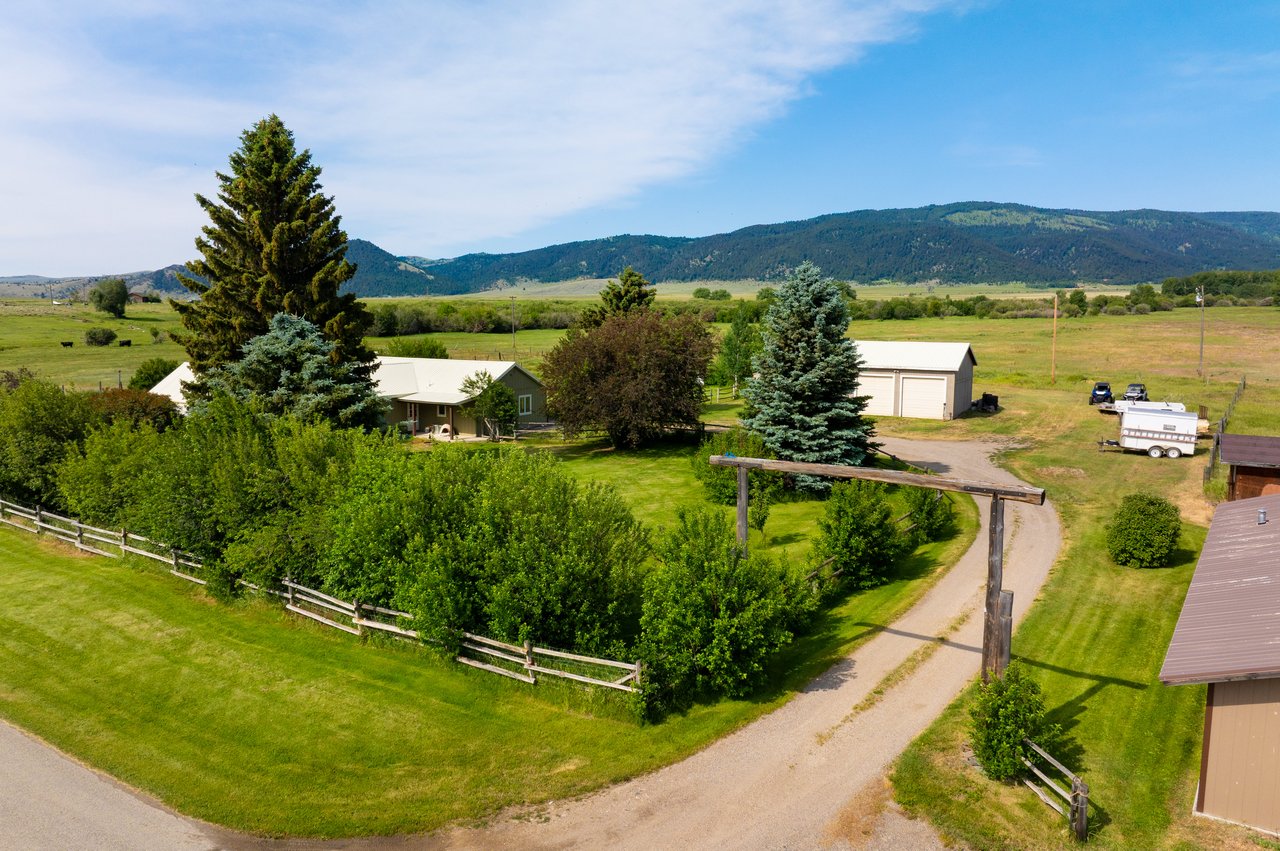
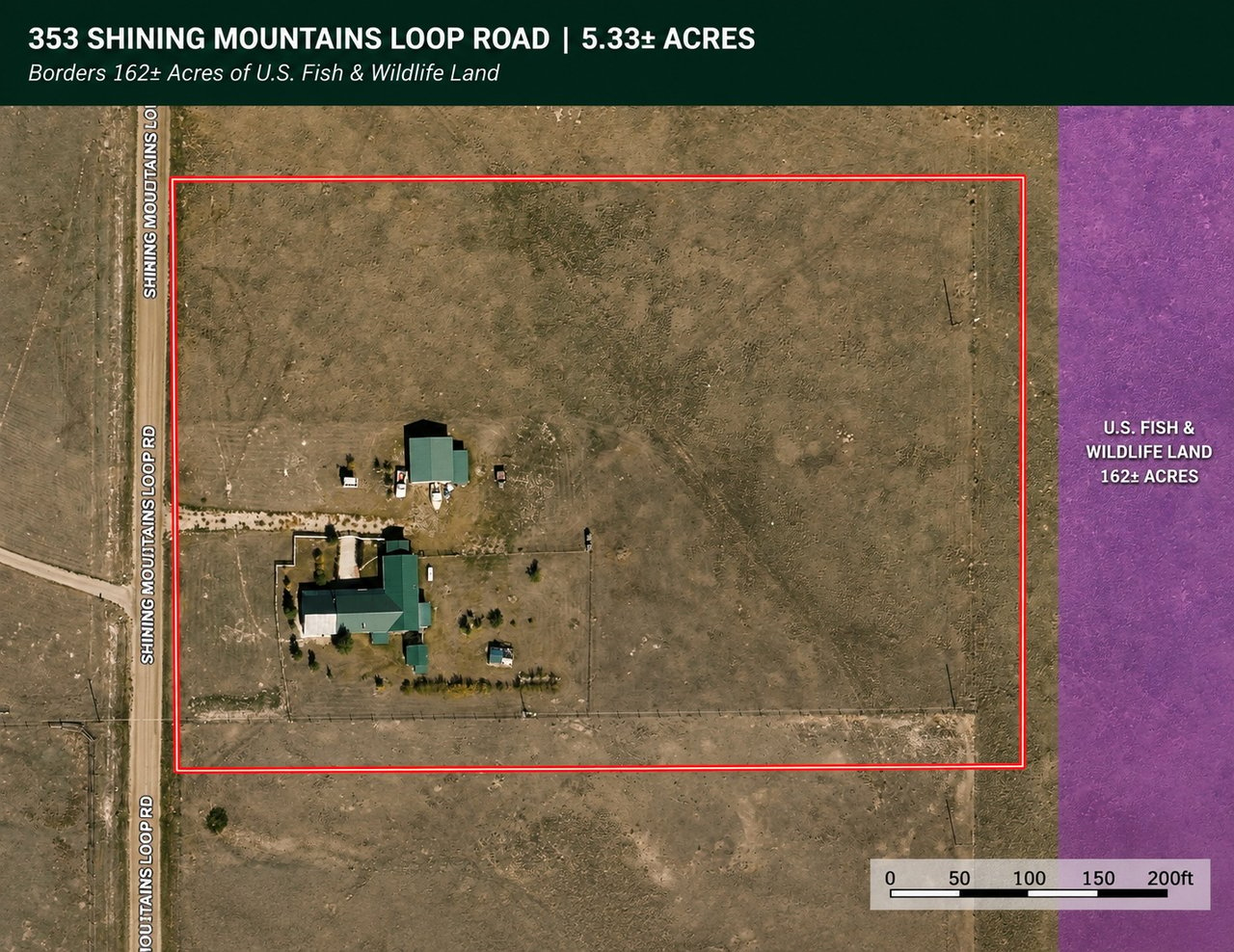
A great local example of the appeal of adjoining public land is 353 Shining Mountains Loop Road in Ennis, Montana. Situated on approximately 5.33 acres in the Shining Mountains community, this property borders approximately 162 acres of U.S. Fish & Wildlife Service land, creating an appealing setting surrounded by open landscapes and scenic views.
The property features a single-level home with approximately 2,467 square feet, three bedrooms, two bathrooms, and a detached three-car garage. Beyond the home itself, the surrounding acreage and neighboring publicly managed land contribute to the property's unique setting. It's an example of how the location and surrounding landscape can play an important role in the overall appeal of Montana real estate.
As with any property adjoining public land, buyers should confirm the specific land designation and permitted uses rather than assuming that direct recreational access is available.
View property details and photos for 353 Shining Mountains Loop Road.
Important Considerations Before Buying Property Bordering Public Land
While adjoining public land can offer several advantages, it's important to research the neighboring acreage before making a purchase. Public ownership alone doesn't guarantee recreational access, unrestricted use, or permanent protection from future changes. Buyers should look closely at property boundaries, legal access, easements, and the managing agency's rules to fully understand what they are purchasing.
Property boundaries are particularly important in rural Montana, where fences, roads, and visible landmarks don't always align with legal parcel lines. Online mapping tools and county GIS records can be helpful for initial research, but they should not replace a professional survey when exact boundary locations are important. Similarly, sharing a boundary with public land doesn't necessarily provide an automatic right to enter it from any point on the property.
Buyers should also research seasonal activities and potential future land management plans. Depending on the location, adjoining public land may be used for hunting, grazing, timber management, recreation, or wildlife conservation. Understanding these activities before purchasing can help prevent surprises and ensure the property meets your expectations.
For additional information, the following agencies provide helpful resources about public land ownership, access, and regulations in Montana:
- Montana DNRC — Public Land Access and Maps
- Montana Fish, Wildlife & Parks
- U.S. Forest Service
- Bureau of Land Management — Montana/Dakotas
- U.S. Fish & Wildlife Service
Frequently Asked Questions About Montana Property Bordering Public Land
Does adjoining public land increase property value in Montana?
Adjoining public land can be an attractive feature for buyers interested in recreation, scenery, or open space, but it doesn't automatically guarantee a higher property value. The effect depends on the location, accessibility, permitted uses of the neighboring land, and current real estate market conditions. Comparable sales are important when determining whether this feature contributes additional market value.
Can I access public land directly from my Montana property?
Not necessarily. Although a property may share a boundary with public land, legal access depends on the land designation, agency regulations, and specific boundary conditions. Buyers should verify whether direct access is permitted before assuming they can enter the neighboring public land from their property.
Can people hunt on public land next to my home?
Hunting is permitted on many types of public land in Montana, subject to applicable hunting seasons, licensing requirements, safety regulations, and location-specific restrictions. However, some publicly managed areas have more restrictive rules or prohibit hunting altogether. It's important to research the specific adjoining parcel to understand what activities may occur nearby.
Can public land next to my property ever be sold or developed?
Publicly managed land is subject to different laws, protections, and management requirements depending on the agency and land designation. Some areas may have significant conservation protections, while others may allow certain activities, improvements, or land exchanges. Buyers should not assume that all public land is permanently protected from changes in use or ownership.
Where can I find homes or acreage bordering public land near Ennis, Montana?
Properties throughout the Madison Valley, including Ennis, McAllister, Cameron, Virginia City, and nearby rural communities, may offer proximity to publicly managed lands. Available options vary depending on the location, acreage, and type of property you're looking for. Working with a local real estate agent can help you identify suitable properties while researching surrounding land ownership, access, and potential restrictions.
Finding the Right Montana Property
There's something special about owning property in Montana where open spaces, mountain views, and wildlife are part of everyday life. For buyers looking to enjoy everything southwest Montana has to offer, adjoining public land can add another level of appeal, whether that means access to nearby recreational opportunities, more open surroundings, or simply a greater connection to the landscape.
When purchasing rural property, I always encourage buyers to look beyond the home and acreage itself. Understanding neighboring properties, land ownership, access, easements, and potential future uses can make a significant difference in finding a property that truly fits your needs. Every parcel is different, and taking the time to research these details is an important part of making an informed investment.
Rachel DeWaard | Berkshire Hathaway HomeServices Montana Properties | Ennis, Montana