Buying or selling a home in Montana involves several important steps, and the home inspection is often one of the most significant. Whether you're purchasing a home in Ennis, looking at acreage in McAllister, or selling a property elsewhere in the Madison Valley, understanding the inspection process can help you make informed decisions and avoid unexpected complications. A home inspection provides valuable insight into a property's condition, giving buyers a better understanding of what they're purchasing and allowing sellers an opportunity to address concerns before closing.
In Southwest Montana, properties vary considerably, from newer construction and established homes in town to older residences, cabins, and rural properties with acreage. Each property comes with its own considerations, making the inspection process an important part of navigating a real estate transaction.
What Does a Home Inspection Cover in Montana?
A standard home inspection evaluates the visible and accessible components of a property, including the roof, foundation, electrical systems, plumbing, heating and cooling equipment, and other structural and mechanical features. Inspectors look for potential safety concerns, maintenance issues, and conditions that may require repairs or further evaluation. While an inspection can provide a detailed overview of a home's condition, it isn't a guarantee that every issue will be discovered, particularly when components are concealed or inaccessible.
For buyers, the inspection report provides an opportunity to better understand the property before moving forward with the purchase. For sellers, it can help identify concerns that may become part of the negotiation process. Not every finding is a major issue, and understanding the difference between routine maintenance and more significant concerns is an important part of evaluating the results.
Additional Inspections for Rural Montana Properties
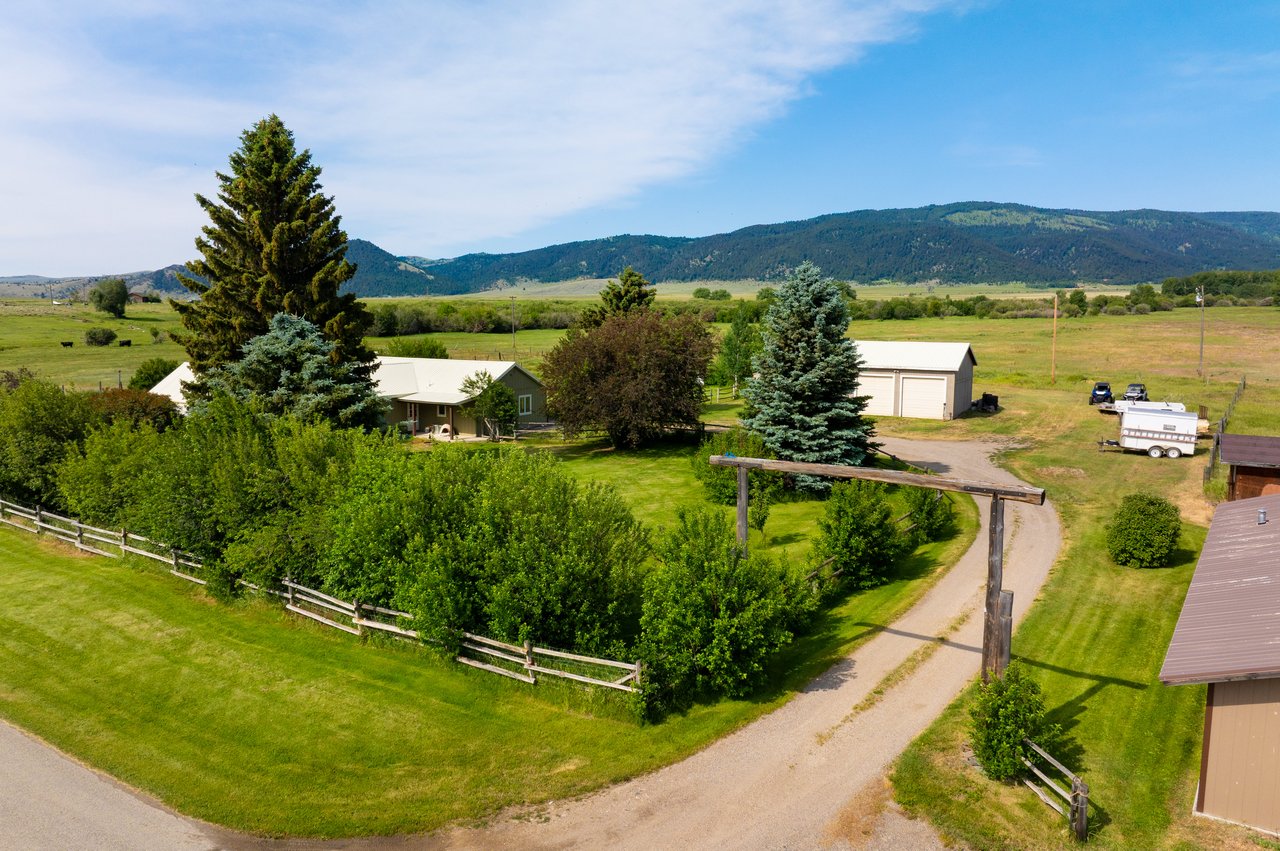
One of the differences between purchasing a home in town and buying acreage in the Madison Valley is the additional infrastructure that may need to be evaluated. Many rural properties rely on private wells and septic systems, which typically require separate inspections or testing beyond a standard home inspection. Buyers may want to review available well logs, evaluate well equipment and water production, and arrange for water quality testing. A well log can provide useful information about the original construction and reported production of a well, but it does not necessarily reflect its current performance.
Septic inspections are another important consideration, particularly for older homes or properties where the system's maintenance history is limited. An inspection can help identify potential concerns with the tank, drain field, or other components before closing. Radon testing is also commonly requested during real estate transactions in Montana. Radon is a naturally occurring radioactive gas that cannot be detected by sight or smell, making testing the only way to determine the level present in a home. The Environmental Protection Agency recommends taking action when radon levels reach 4.0 picocuries per liter (pCi/L) or higher.
For additional information, buyers can reference the EPA's private well guidance, septic system resources, and the Montana Department of Environmental Quality's radon information.
How Does the Inspection Contingency Work in Montana?
In a Montana real estate transaction, the inspection contingency generally allows buyers to evaluate the property's condition within the timeframe established in the signed buy-sell agreement. Depending on the contract, buyers may have the opportunity to request repairs, negotiate other solutions, or terminate the agreement if inspection concerns cannot be resolved. Understanding the specific language of the purchase agreement is important because the rights and responsibilities of both parties are determined by the contract.
Two important deadlines commonly included in Montana residential transactions are the Inspection Notice Date and the Inspection Resolution Date. The Inspection Notice Date establishes when buyers must provide the required notice regarding inspection findings or objections, while the Inspection Resolution Date establishes the deadline for the parties to reach an agreement under the applicable provisions. These dates are negotiated as part of the transaction rather than being a standard timeframe for every Montana home purchase. Missing a deadline or failing to provide the required notice can affect a buyer's contractual rights, which is why communication and careful attention to the timeline are essential.
What Happens When a Home Inspection Finds Problems?
It's uncommon for an inspection report to come back without any findings, especially with older homes. Some concerns may involve routine maintenance, while others may require further investigation or more significant repairs. Discovering an issue doesn't automatically mean the transaction will fall apart. Instead, the inspection process provides an opportunity for buyers and sellers to evaluate the findings and determine whether an acceptable solution can be reached.
Depending on the terms of the purchase agreement, buyers and sellers may negotiate repairs before closing, a credit toward closing costs, a purchase price adjustment, or another mutually acceptable solution. A buyer may also choose to accept the property in its current condition. Closing credits may be subject to lender approval, and any negotiated changes should be properly documented. The seriousness of the concern, estimated repair costs, and overall condition of the property can all influence how the parties approach negotiations.
How Can Sellers Prepare for a Home Inspection?
Sellers can help make the inspection process smoother by addressing known maintenance concerns and ensuring inspectors have access to important areas of the property. Clearing access to crawl spaces, attics, electrical panels, and mechanical systems, along with ensuring utilities are operational, can help prevent unnecessary delays. Providing available service records, documentation of recent improvements, and information about known property conditions can also be helpful.
For rural properties in the Madison Valley, gathering available well logs, septic records, water testing results, and maintenance information can provide additional clarity for prospective buyers. Preparing these documents ahead of time may help answer questions more efficiently and keep the transaction moving forward. While sellers aren't necessarily expected to make every repair identified during an inspection, being prepared and responsive can make a meaningful difference throughout the process.
Frequently Asked Questions About Home Inspections in Montana
Are home inspections required when buying a house in Montana? A general home inspection is not automatically required for every Montana real estate purchase, although certain loan programs or contracts may have additional requirements. Inspections are generally recommended because they provide valuable information about the property's condition before closing.
How long does a buyer have to complete inspections? The inspection timeframe depends on the deadlines negotiated in the signed purchase agreement. There is no single inspection period that applies to every Montana transaction, making it important for buyers and sellers to understand their specific contractual deadlines.
Can a buyer back out after a home inspection? Depending on the inspection contingency and the terms of the purchase agreement, a buyer may have the right to terminate the transaction based on inspection findings. Proper notice and compliance with contractual deadlines are essential.
Who pays for the home inspection? Buyers typically arrange and pay for their inspections unless otherwise negotiated. Additional evaluations, including radon testing, well inspections, and septic inspections, may involve separate costs.
Navigating Home Inspections in the Madison Valley
Home inspections are an important part of the buying and selling process, but they don't have to be overwhelming. Having a clear understanding of the property's condition, the inspection deadlines, and the available options can help both buyers and sellers work through concerns and move toward closing. Rural Montana properties often involve additional considerations, making it especially valuable to understand what is included in a standard inspection and when additional evaluations may be appropriate.
Whether you're buying a home in Ennis, purchasing acreage in McAllister or Cameron, or preparing to sell elsewhere in the Madison Valley, having the right information and guidance throughout the transaction can make a meaningful difference.