Fall Property Shopping in Ennis, Montana
Fall is one of the most interesting times to look at property around Ennis and the Madison Valley because you start to see things that are much easier to miss during the middle of summer. In July, everything is green, the days are long, roads are dry, and most properties show beautifully. By late September and October, the landscape begins to change. Irrigation slows down, temperatures drop, the sun sits lower in the sky, and you can start to get a much more realistic sense of how a property functions outside of peak summer.
For buyers looking at homes, acreage, land, or recreational property, that seasonal change can be incredibly useful. Fall gives you a chance to look past the prettiest version of a property and start thinking about how it may actually work throughout the year.
The Land Starts to Show Its True Colors
One of the biggest differences in fall is the land itself. A field that looked lush and green in July may look much drier by September or October, which can help you understand how much of that summer appearance depended on irrigation.
On acreage around Ennis, McAllister, Cameron, and the surrounding Madison Valley, I like to ask where the water comes from, whether there are irrigation rights, whether a ditch crosses the property, and whether the land stays naturally productive or depends heavily on seasonal watering. Seeing water on or near a property does not necessarily mean the owner has the legal right to use it, so this is one of those areas where the paperwork matters just as much as what you see during the showing.
Fall Weather Can Reveal Drainage
A property that feels completely dry in July can look very different after a few days of fall rain or an early snow. You may start to notice low spots, muddy areas, erosion, standing water, or places where runoff naturally crosses a driveway or moves toward the home.
On rural properties, I also pay attention to culverts, slope, private roads, and where water is moving around outbuildings or the foundation. None of those things automatically mean there is a problem, but they are much easier to understand when the weather gives you something to actually observe.
Winter Access Becomes Easier to Picture
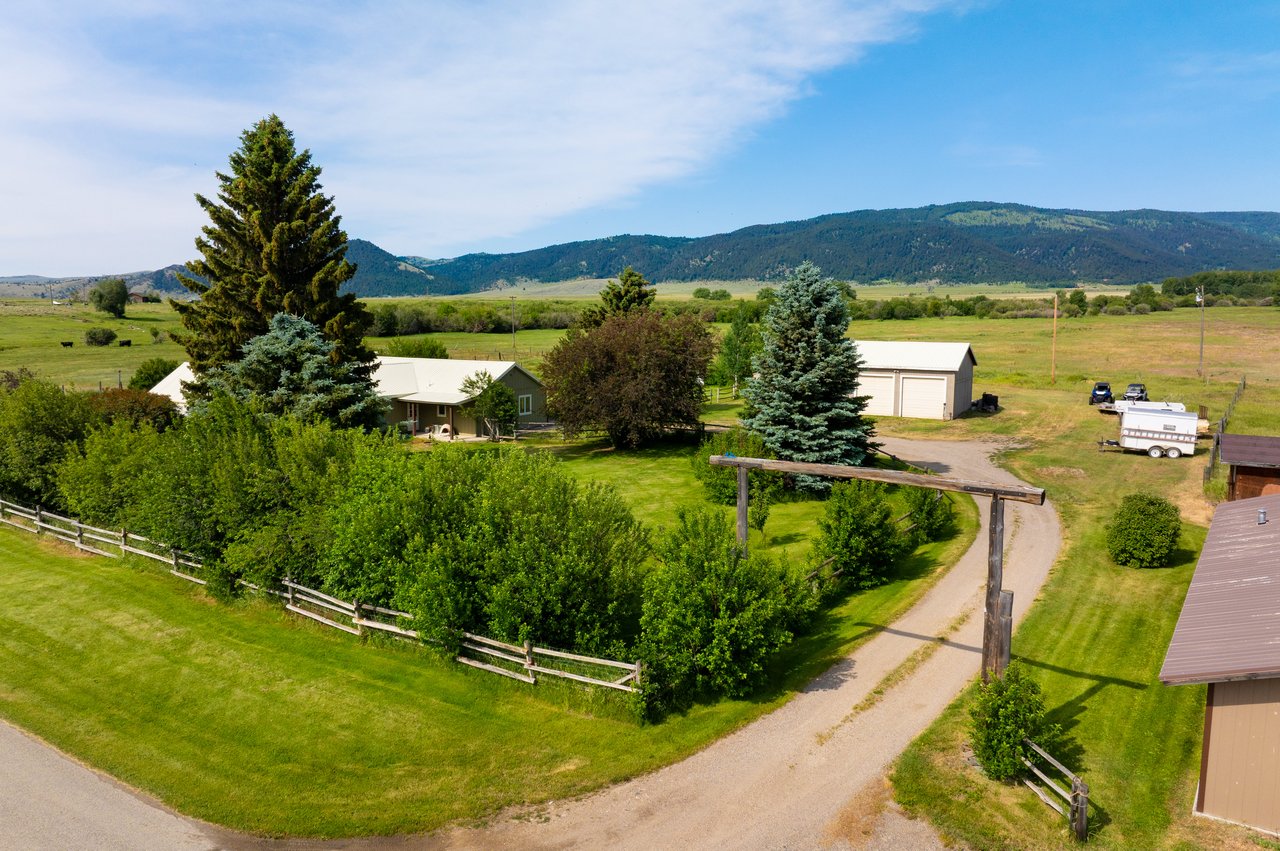
A long gravel driveway can feel easy in August, but by October it is much easier to picture what that same access may look like after a snowstorm. I pay attention to the grade, shaded sections, turnaround space, where snow could be pushed, and whether the driveway or road looks manageable for regular winter use.
If the property is accessed by a private road, buyers should also understand who is responsible for plowing and road maintenance. Some subdivisions have an HOA that handles it, some have separate road agreements, and others rely on neighboring owners working it out themselves. That can feel like a small detail in summer and a very big one in January.
The House Can Tell You More in Cooler Weather
A cool fall morning can tell you more about a house than a warm afternoon in July. You may start to notice whether certain rooms feel drafty, how evenly the home heats, and whether windows and doors seem efficient.
Many rural homes around Ennis use propane, wood, electric heat, radiant systems, or a combination of several heat sources. I like to understand what the primary heating system is, whether there is backup heat, and how practical the setup is for year-round living. If propane is involved, it is also worth asking whether the tank is owned or leased and how fuel deliveries are handled, especially for more remote properties.
Sun Exposure Matters More Than You Think
Sun exposure becomes much easier to evaluate once the sun begins sitting lower in the sky. A property that gets full sun in July may feel much more shaded in October, especially if it sits near a hillside, mature trees, or mountain terrain.
I like to look at where afternoon light hits the home, driveway, deck, and main living spaces. Southern exposure can help with natural light and snowmelt, while heavily shaded areas may hold snow and ice much longer. It is not always something buyers think about during a summer showing, but once you live through a Montana winter, exposure can make a noticeable difference.
Fall Can Change the View
Fall can also change the way you see the surrounding property. Once vegetation begins thinning out, neighboring homes, roads, outbuildings, and other features may become more visible than they were earlier in the year.
I also like to look beyond the immediate parcel and understand what surrounds it. Is the neighboring land part of a larger ranch? Is there public land nearby? Are there vacant parcels that could eventually be developed? A view can be beautiful today, but understanding surrounding ownership and land use can help buyers make a more informed decision about what that setting may look like in the future.
Recreation Access May Be More Seasonal Than It Appears
A lot of buyers are drawn to Ennis because of fishing, hunting, hiking, horseback riding, public lands, and everything that comes with living in Southwest Montana. During summer, access can feel simple because most roads and trails are dry and open.
By fall, buyers can start to see which roads may be seasonal, which areas could become difficult once snow arrives, and whether the access they are excited about is truly practical year-round. Being close to National Forest, BLM land, fishing access, or trail systems on a map is not always the same thing as having convenient access in every season.
Wells and Septic Still Deserve a Close Look
Wells and septic systems are still an important part of the conversation, especially on acreage outside of town. Most rural properties around Ennis are not connected to municipal water and sewer systems, so I spend a lot of time looking at available well logs, septic permits, drainfield information, and other records with buyers.
A well log may provide information about the depth of the well, reported production, static water level, and when it was drilled. Septic records can help identify the location of the tank and drainfield, permitted bedroom capacity, and whether future plans for a shop, addition, barn, or guest space could be affected by the existing system. Older Montana properties do not always have perfect records, but gathering as much information as possible is still one of the best ways to understand what you are buying.
Why Fall Can Be Such a Valuable Time to Shop
That is why I like fall property shopping so much. Summer is beautiful, but it can be distracting. Green fields, warm evenings, and mountain views make it easy to fall in love with the setting before focusing on the practical details.
Fall gives buyers a little more information. You start to see how the land changes, how the roads handle weather, where the sun really hits, how the house heats, and what winter access might actually look like.
Buying Property in Ennis in the Fall
There is no single best season to buy real estate in Ennis, Montana. Each one shows you something different. Summer shows the valley at its greenest, spring can reveal runoff and drainage, winter shows you exactly what snow and cold-weather access look like, and fall gives you a little bit of everything.
When I am helping buyers look at homes, acreage, or land around Ennis and the Madison Valley, I am not just looking at how a property photographs. I am looking at how it actually functions and how well it fits the way they want to live.
Sometimes the things you notice in October are exactly the things you would have missed in July.
Rachel DeWaard | Berkshire Hathaway HomeServices Montana Properties | Ennis, Montana